Tripadvisor starts merging Viator (20% staff cut)
TripAdvisor Cuts 20% of Staff and Merges with Viator: What It Means for Hotel and Tour Operators
TripAdvisor is no longer the company it was five years ago — and it's no longer trying to be. In November 2025, the company announced a 20% workforce reduction and merged its core operations with Viator, its experiences and tours subsidiary. The restructuring confirms what the numbers have been showing for quarters: the reviews-and-metasearch model that made TripAdvisor a household name is declining, and the company's future is in bookable experiences.
For hotel operators who still depend on TripAdvisor for visibility and bookings, this is a signal to pay attention to. For tour and experience operators, it may be an opportunity. Here's what actually happened and what it means for your distribution strategy.
What Changed
TripAdvisor cut approximately 450 to 600 employees across its core brand, Viator, and administrative teams. The layoffs hit engineering, product, and marketing hardest. Viator and TheFork (TripAdvisor's dining reservation platform) were largely spared from the deepest cuts.
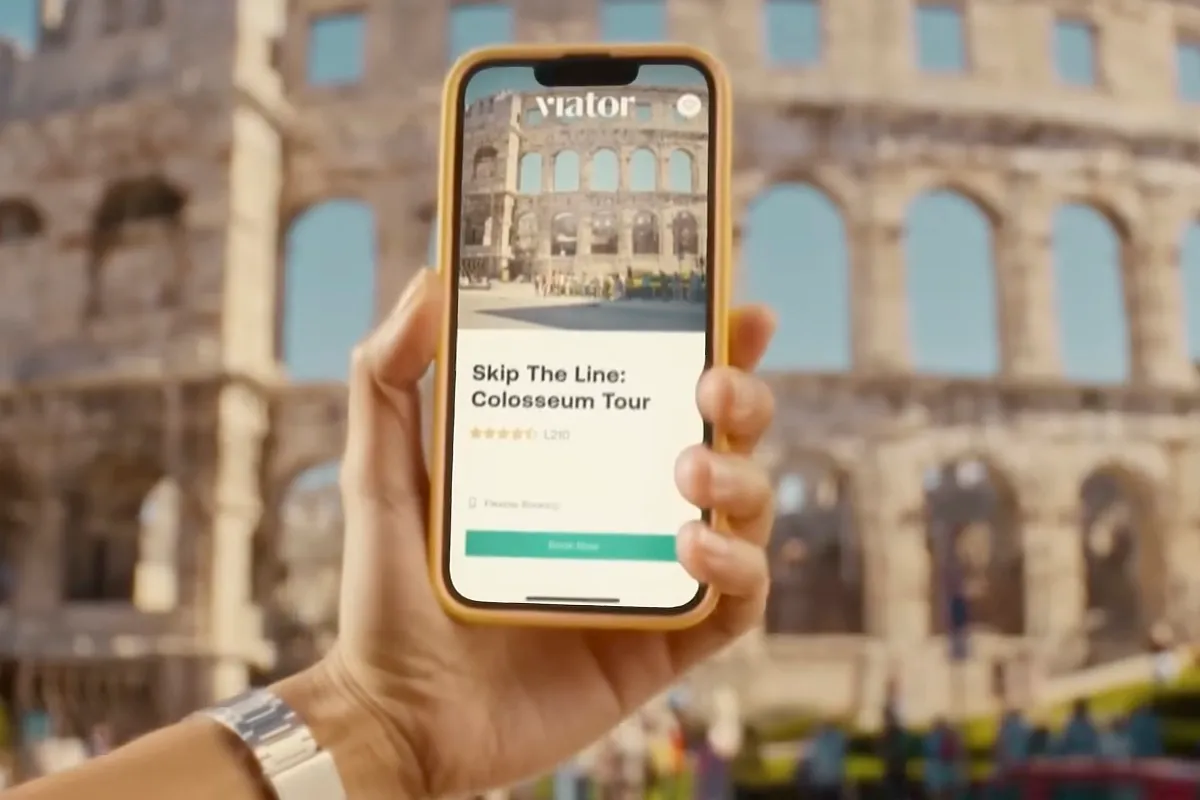
More significant than the layoffs is the structural change. TripAdvisor and Viator, which previously operated as separate business units with independent teams and strategies, are now merging under a unified organizational structure. The company is repositioning itself as an "experiences-led and AI-enabled company," with the core TripAdvisor brand explicitly recast to "support experiences and data strategies."
In practical terms, the new reporting structure tells the story. TripAdvisor will now report three segments: Experiences (combining Viator and TripAdvisor experiences), Hotels and Other (legacy metasearch and hotel content), and TheFork (dining). The "Hotels and Other" label is revealing — the hotel business is being managed alongside miscellaneous revenue streams, not treated as a growth engine.
Leadership changes reinforce the pivot. Pepijn Rijvers, formerly a senior executive at Booking.com, became Chief Business Officer. Kristin Dorsett was named GM of the combined Experiences division. The company expects $85 million in annualized cost savings, fully realized by 2027, with $35–40 million in one-time severance costs.
In January 2026, TripAdvisor also launched an AI-powered trip planning partnership with Best Western Hotels for the 2026 FIFA World Cup, using its database of over one billion reviews to power recommendations across US, Canada, and Mexico host cities.
Why This Matters for Hotels and STR Operators
The restructuring is driven by revenue reality. In Q3 2025, Viator generated $295 million in revenue, growing 9% year-over-year. The core TripAdvisor brand brought in $235 million — a decline of 8%. Experiences and TheFork now represent roughly 60% of the company's total revenue, up from about 40% three years ago.
For hotel operators, this means TripAdvisor's hotel metasearch — the feature that lets users compare hotel prices across booking platforms — is entering a period of managed decline. The company isn't shutting it down, but it's not investing in growth either. Expect fewer product improvements, less aggressive marketing spend to drive hotel traffic, and eventually, declining referral volume.
If TripAdvisor currently represents a meaningful share of your booking traffic, this is the time to assess that dependency. Review your analytics to understand what percentage of your bookings originate from TripAdvisor referrals, what the cost-per-acquisition looks like, and whether alternative channels can absorb the volume if TripAdvisor traffic declines.
For tour and experience operators, the story is different. A unified TripAdvisor-Viator platform could mean broader distribution, more cohesive marketing, and better tools. Viator's B2B distribution network has been expanding, and the merger should accelerate the integration of TripAdvisor's brand recognition with Viator's booking infrastructure. If you run tours, activities, or experiences, the combined platform could become a more powerful distribution channel than either brand offered separately.
The AI angle is worth noting. TripAdvisor's partnership with Best Western — using AI to plan multi-city trips for the World Cup — signals the direction of product development. TripAdvisor has also been building integrations with Perplexity and ChatGPT. The company's billion-review dataset is a significant asset for AI applications, and the restructuring frees up resources to invest in these capabilities.
Risks and Blind Spots
The biggest risk for hotel operators is inertia. If your team has been managing a TripAdvisor presence on autopilot — maintaining a listing, responding to reviews, and accepting whatever traffic it sends — the structural decline of the hotel business may erode that channel slowly enough that you don't notice until it's a problem. The decline won't be a cliff; it will be a gentle slope that compounds over quarters.
For experience operators, the integration risk is real. Merging two large organizations with different cultures, tech stacks, and go-to-market strategies takes time and creates disruption. 2026 will be a transition year. Expect some turbulence in how listings are managed, how payouts work, and how support handles issues during the integration period.
There's also uncertainty about how the combined platform will handle commission structures, listing placement, and competitive dynamics between TripAdvisor-sourced and Viator-sourced bookings. Operators who currently list on both platforms may see changes in how their listings are presented and prioritized.
Activist investors — Starboard Value holds approximately 9% of shares, and Palliser Capital has been vocal — are adding pressure for results. This means the company is likely to prioritize short-term financial performance during the transition, which could lead to decisions that favor margin over partner satisfaction.
What You Should Do Now
If you're a hotel operator, audit your TripAdvisor-sourced bookings and traffic. Identify what percentage of your total bookings come through TripAdvisor metasearch links, what your average CPA is for those bookings, and how that compares to other channels. Use this data to make an informed decision about whether to maintain, reduce, or reallocate your TripAdvisor investment.
Diversify your distribution away from TripAdvisor. Ensure your properties are well-positioned on channels that are actively investing in hotel discovery — Booking.com, Google Hotel Ads, and direct booking through your own website. The goal isn't to abandon TripAdvisor, but to reduce your exposure to a channel that's deprioritizing your segment.
If you operate tours or experiences, lean into the Viator platform. Update your listings, optimize your pricing for Viator's commission structure, and explore the B2B distribution opportunities that the combined platform may offer. Early engagement with the merged platform could position you well as the integration matures.
Continue investing in your TripAdvisor review profile regardless of the business model changes. Reviews remain valuable as social proof across all channels, and TripAdvisor's review data feeds into multiple AI platforms. A strong review portfolio on TripAdvisor benefits you even if your booking traffic from the platform declines.
What to Watch Next
TripAdvisor's Q4 2025 earnings, expected February 12, 2026, will be the first report under the new segmented structure. Watch for how the company quantifies the hotel business's contribution and trajectory, and whether the experiences segment shows accelerating growth from the merger.
The AI integrations — with ChatGPT, Perplexity, and potentially others — will reveal whether TripAdvisor's data assets translate into a viable AI-powered discovery channel. If they do, the company's positioning as a data and AI layer for travel could create new distribution pathways that benefit operators across categories.
Sources
Skift — https://skift.com/2025/11/05/layoffs-hit-20-of-tripadvisor-viator-and-administrative-staff-scoop/
PhocusWire — https://www.phocuswire.com/tripadvisor-q3-2025-earnings
Yahoo Finance — https://finance.yahoo.com/news/tripadvisor-pivots-experiences-led-strategy-122001964.html
Travel Weekly — https://www.travelweekly.com/Travel-News/Travel-Technology/Tripadvisor-prioritizes-activity-bookings-in-realignment
PR Newswire (Best Western Partnership) — https://www.prnewswire.com/news-releases/best-western-hotels--resorts-and-tripadvisor-launch-ai-powered-trip-planning-experience-to-help-soccer-fans-navigate-2026-travel-302673239.html